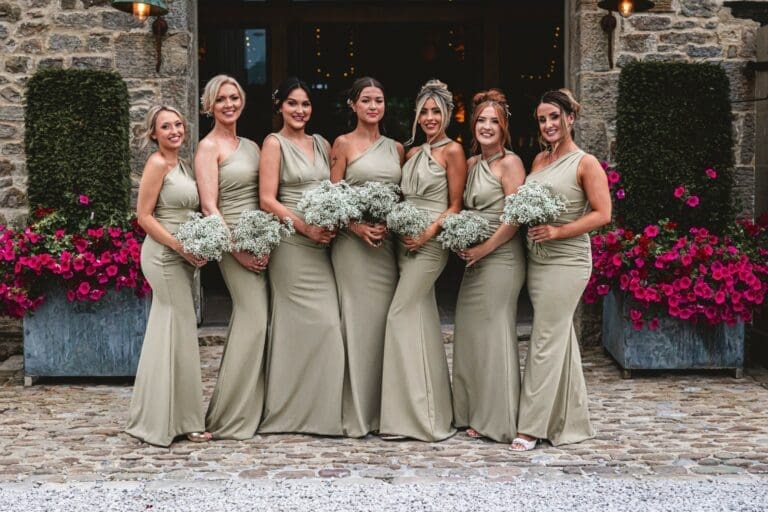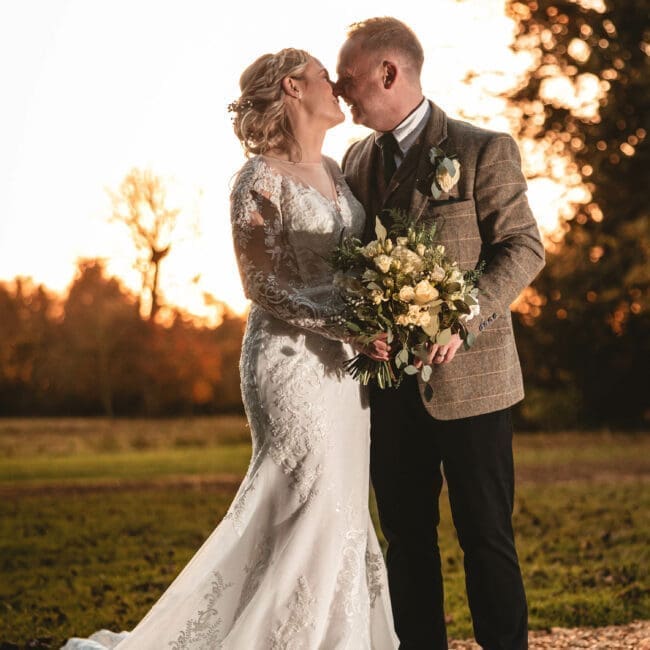
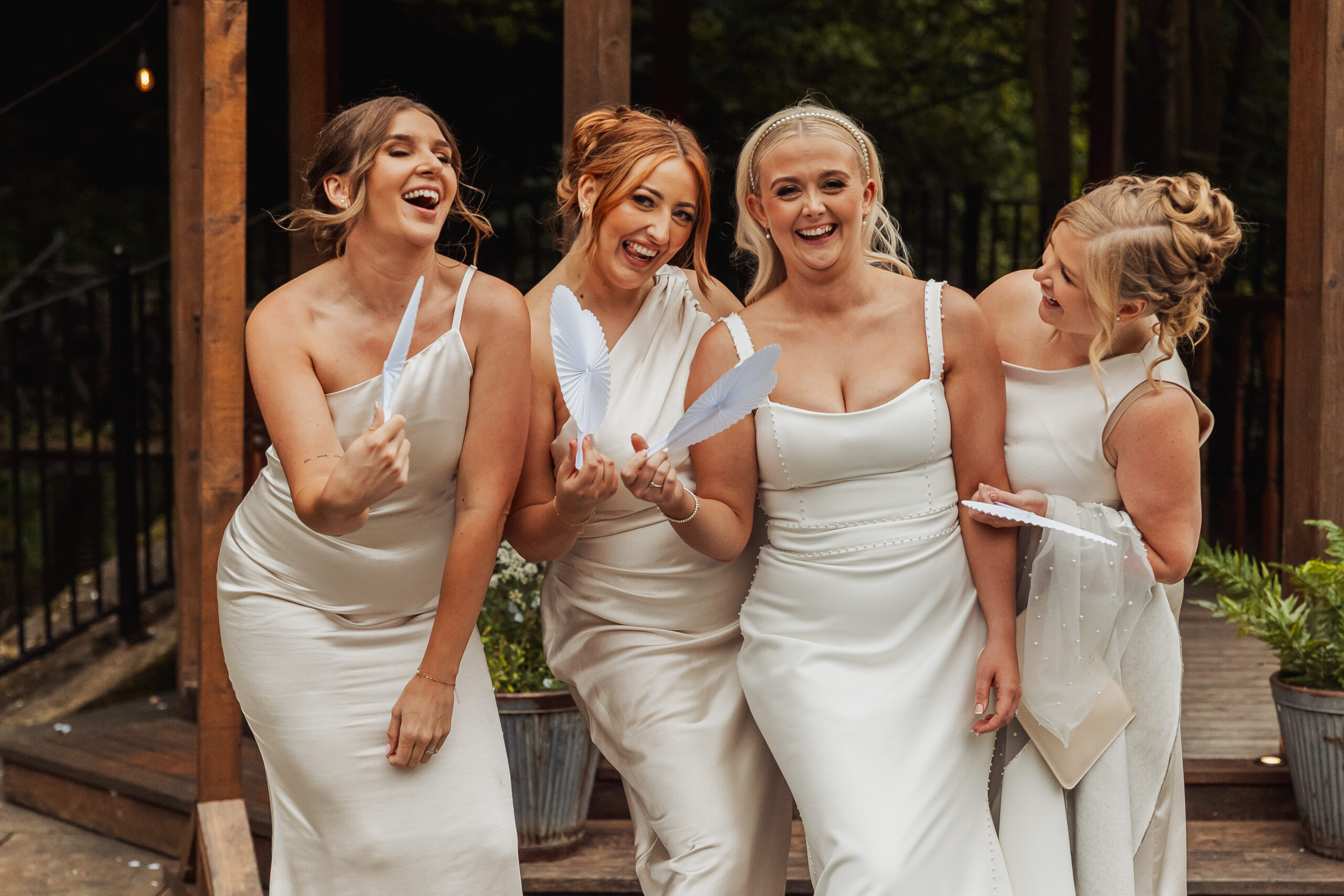
The maid of honour is the bride’s right-hand woman. She organises the hen do, helps with the planning, keeps the morning calm, carries the bouquet and rings during the ceremony, fluffs the dress at the end of the aisle, and makes sure the bride eats, drinks and actually enjoys her own wedding. Some give a speech; most don’t have to.
Now the longer version — because for some reason a TikTok of me fluffing a dress went a little viral, and it caused a proper debate about what the job actually is. I have photographed hundreds of weddings from three feet away, so here is what the role looks like in practice rather than in theory.
What are the maid of honour’s duties?
There is no ten-page PDF handed out with the title (though wouldn’t that be handy). The role is a collection of small responsibilities, and they all point the same way: the bride gets to relax and enjoy her day without worrying about the details.
Think right-hand woman, behind-the-scenes hero, and go-to problem solver. Here is how it breaks down across the three stages.
Before the wedding
- Hen party organiser — usually the chief planner, rallying the bridesmaids, booking the activities and making sure the bride has a proper send-off.
- DIY help — making favours, tying ribbons, stuffing envelopes. All the little jobs that multiply in the last month.
- Dress shopping — the honest opinion in the room. The one who says something when nobody else will.
- Moral support — late-night chats and the occasional talk-me-down when the planning stress hits.
On the wedding morning
The morning is a whirlwind, and this is where the maid of honour really earns it:
- Gathering the details — jewellery, perfume, shoes, invitation, rings all in one place and ready for the photographer. It sounds trivial; it saves me twenty minutes of hunting and it gets you better flat-lay photographs.
- Bridesmaid prep — dresses steamed, pressed and hanging neatly. No last-minute crumples.
- Looking after the bride — keeping food, coffee and water coming so she actually eats something.
- Hype-woman duties — reminding her she looks incredible, all morning, repeatedly.
- Dress protection — keeping the gown safe from rogue makeup, spray tan and sticky little fingers.
During the ceremony and the rest of the day
- The aisle fluff — the famous one. Straightening the dress and veil once the bride reaches the end of the aisle, in front of everybody. No pressure.
- Holding the bouquet — and the rings, if there is no ring bearer.
- Drink top-ups during photographs — family groups take a while and they are draining. Keeping the bride watered keeps her smiling.
- Bustling the dress — if the gown has a train that needs pinning up before the dancing, somebody has to know how. Ideally practise it once beforehand.
- Emergency kit — safety pins, plasters, tissues, painkillers, a tide pen. Whoever carries this bag is the hero of the day.
- Reading the room — spotting when the bride needs five minutes away from everyone, and making that happen.
What is the difference between a maid of honour and a bridesmaid?
A bridesmaid supports the bride on the day. The maid of honour does that too, but she is also the organiser and the point of contact — the one the other bridesmaids ask when they are not sure, and the one the bride leans on hardest.
The practical difference is responsibility rather than status. Bridesmaids turn up and help. The maid of honour has usually been helping for a year.
If she is married, the traditional title is matron of honour. If she is a he, man of honour works fine, and I have photographed plenty. Nobody minds.
Does the maid of honour give a speech?
She can, and more do every year, but it is not expected in the way the best man’s speech is. If you want to, say so early — it needs to go on the running order so the toastmaster or the venue coordinator knows.
Keep it to three or four minutes. The good ones are short, specific to the bride, and land one proper story rather than five half-stories. And from behind a camera: speak up, look at the room rather than the paper, and slow down more than feels natural.
Who pays for the maid of honour’s dress?
There is no rule, and it varies enormously. Most often the maid of honour buys her own dress, particularly when the bride has chosen something the bridesmaids can wear again. Some brides cover the dresses, or split them, especially where a specific colour or style is being asked for.
Whichever way it goes, the kindest thing a bride can do is be clear about it early, before anyone has fallen in love with a dress they cannot afford. The same applies to hair, makeup and the hen do.
How do you ask someone to be your maid of honour?
However you like — a card, a box of bits, a bottle of something, or simply asking her. What matters is doing it early enough that she has time to organise the things you are about to ask her to organise.
One practical note: ask the person who will actually enjoy the job, not the person whose feelings you are most worried about. They are rarely the same person, and the day runs better when they are not.
Can you have two maids of honour?
Yes, and it is common. Two sisters, a sister and a best friend, whatever fits. Split the jobs explicitly rather than assuming it will sort itself out — one takes the hen do and the planning, the other takes the wedding morning and the day itself.
The only thing to avoid is two people who both think they are in charge of the same thing. That is where it goes wrong.
A word from behind the camera
The best maids of honour I have photographed have one thing in common, and it is not organisation. It is that they watch the bride rather than the schedule. They notice the moment she needs a drink, or a minute, or her dress straightening, about thirty seconds before she notices herself.
You cannot put that on a checklist. But if you are reading this because you have just been asked — that is the job.